
Creating Sustainable Diet Plans for Fitness Enthusiasts: A Step-by-Step Guide


Understanding the Basics of a Sustainable Diet
Creating a sustainable diet plan is crucial for fitness enthusiasts who wish to maintain their health and energy levels over the long term. A sustainable diet is not about temporary fixes or extreme restrictions. Instead, it focuses on balance, variety, and moderation.
A sustainable diet plan should include a mix of macronutrients—carbohydrates, proteins, and fats—alongside essential vitamins and minerals. This ensures your body gets the fuel it needs to perform optimally during workouts and recover effectively afterward.
Setting Realistic Goals
One of the first steps in creating a sustainable diet plan is setting realistic and achievable goals. Whether your aim is to gain muscle, lose fat, or maintain your current physique, your diet should align with your fitness objectives.
It’s essential to assess your current dietary habits and identify areas for improvement. Start with small, gradual changes rather than drastic alterations to ensure long-term adherence and success.
Designing Your Meal Plan
When designing a meal plan, consider your daily caloric needs based on your activity level, age, and fitness goals. Use an online calculator or consult a nutritionist for precise calculations.
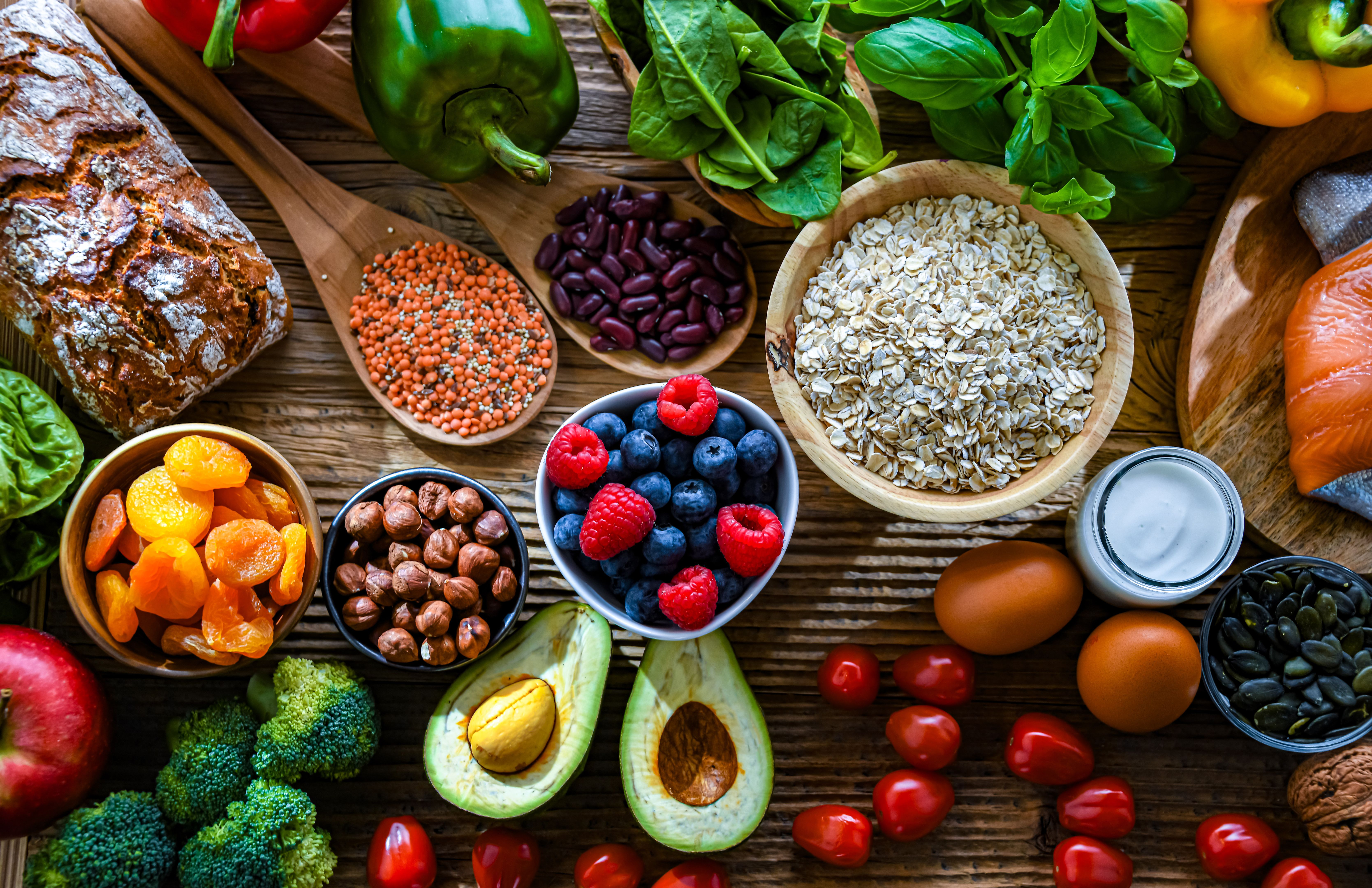
Incorporate a variety of foods to make your meals enjoyable and nutritionally diverse. This includes lean proteins, whole grains, healthy fats, and plenty of fruits and vegetables. A diverse diet helps prevent deficiencies and keeps your taste buds satisfied.

Meal Timing and Frequency
The timing and frequency of meals can play a significant role in your energy levels and workout performance. Aim to eat at regular intervals, typically every 3 to 4 hours, to maintain stable blood sugar levels and prevent energy crashes.
Pre- and post-workout nutrition are critical components of a fitness-focused diet plan. Consuming a balanced meal with carbohydrates and protein before a workout provides energy, while a post-workout meal aids in recovery and muscle repair.
Staying Hydrated
Hydration is often overlooked but is an essential aspect of a sustainable diet plan. Water supports every metabolic process in the body and helps regulate temperature, transport nutrients, and maintain cognitive function.
Aim to drink at least 8-10 cups of water daily, and increase this amount if you’re engaging in intense exercise or living in a hot climate.

Monitoring Progress and Adjusting
Regular monitoring of your progress is crucial to ensure your diet plan remains effective and aligns with your fitness goals. Keep track of changes in your energy levels, performance, and body composition.
If you notice any undesired changes, be open to adjusting your plan. This might include altering portion sizes, trying new foods, or reassessing your calorie intake.
Conclusion
Creating a sustainable diet plan for fitness enthusiasts involves understanding nutritional needs, setting realistic goals, and being flexible with adjustments. By following these guidelines, you can maintain a healthy lifestyle that supports your fitness journey and overall well-being.