
Diet Planning Tips from Professional Nutritionists


Understanding Your Nutritional Needs
Before diving into any diet plan, it's crucial to understand your unique nutritional needs. Every individual is different, and factors like age, gender, activity level, and health conditions can significantly impact what your body requires. Consulting with a professional nutritionist can help tailor a diet plan that suits your lifestyle and goals.
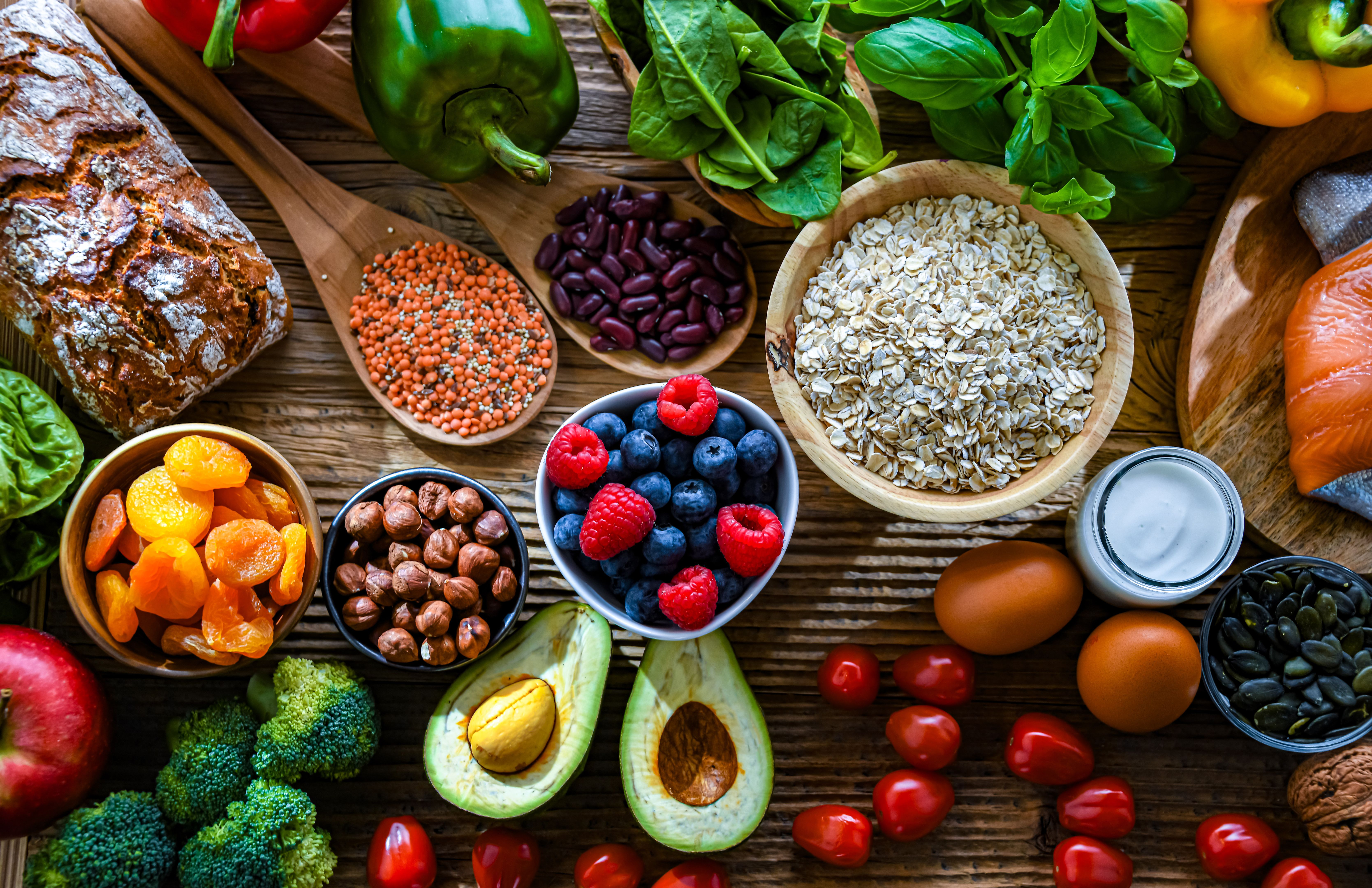
Nutritionists emphasize the importance of a balanced diet, which includes a variety of foods to ensure you get all the necessary nutrients. A diet rich in fruits, vegetables, whole grains, lean proteins, and healthy fats is often recommended.
Setting Realistic Goals
One of the biggest mistakes people make when dieting is setting unrealistic goals. Nutritionists advise setting achievable targets to maintain motivation. Start with small changes, such as incorporating more vegetables into your meals or reducing sugary drinks.
Tracking your progress can also be beneficial. Use a journal or an app to monitor your daily intake and exercise habits. This practice not only helps you stay accountable but also allows you to celebrate small victories along the way.
Prioritizing Meal Planning
Meal planning is a cornerstone of successful dieting. By planning your meals ahead of time, you're less likely to make impulsive food choices. Nutritionists suggest preparing a weekly menu, including breakfast, lunch, dinner, and snacks, to streamline grocery shopping and meal prep.

Incorporating Variety
Eating a diverse range of foods is not only enjoyable but also essential for obtaining a spectrum of nutrients. Nutritionists recommend experimenting with different cuisines and recipes to keep your diet exciting. Trying new ingredients or cooking methods can inspire creativity in the kitchen.
Consider integrating seasonal produce into your meals. Seasonal fruits and vegetables are often fresher, more nutritious, and budget-friendly.
Managing Portions
Portion control is another critical aspect of diet planning. Overeating, even healthy foods, can hinder your progress. Nutritionists suggest using smaller plates, measuring portions, and being mindful of hunger cues to avoid overeating.

Staying Hydrated
Proper hydration is often overlooked in diet planning. Water is vital for digestion, nutrient absorption, and overall health. Nutritionists recommend drinking at least eight glasses of water a day, though individual needs may vary.
If plain water isn't appealing, try infusing it with fruits or herbs for added flavor. Herbal teas and other non-caffeinated beverages can also contribute to your daily hydration.
Listening to Your Body
Finally, it's essential to listen to your body. Nutritionists stress the importance of being in tune with your hunger and fullness signals. Eating mindfully and recognizing when you're truly hungry or just eating out of habit can lead to healthier eating patterns.
Remember, diet planning is not just about restriction but about nourishing your body and enjoying the process. With these expert tips in mind, you're well-equipped to embark on a healthier lifestyle.